How to Clean Up Wax Residue
Posted on 29/10/2024
Wax residue can be a pesky problem, whether it's from a candle, a wax spill, or even cosmetic products. Removing it properly is essential to avoid damaging the underlying surfaces. This article will guide you through the steps to clean up wax residue effectively.
1. Identifying the Type of Surface
Before you start, it's important to determine what kind of surface the wax is on. Different surfaces require different cleaning methods. Common surfaces include:
Wood
Fabric
Carpet
Glass
Metal
Stone (countertops, tiles)
2. Tools and Materials You'll Need
Here's a list of materials you might need to clean up wax residue:
Ice cubes
Plastic scraper or credit card
Paper towels or clean cloth
Hairdryer or iron
Rubbing alcohol or vinegar
Mild detergent
Sponge or soft cloth
Vacuum cleaner (for carpets)
3. Removing Wax from Hard Surfaces
For surfaces like wood, metal, glass, and stone, follow these steps:
1. Harden the Wax: Place ice cubes in a plastic bag and lay it on the wax for a few minutes to harden it.
2. Scrape it Off: Use a plastic scraper or an old credit card to gently scrape off the hardened wax.
3. Heat the Residue: Use a hairdryer on a low setting to melt any remaining wax residue. Wipe it away with a paper towel or cloth.
4. Clean the Surface: Dampen a cloth with rubbing alcohol or a mild detergent solution and wipe the area clean.
Remember, do not use a hairdryer on full heat on sensitive surfaces like varnished wood or thin glass as it could cause damage.
4. Removing Wax from Fabric
To tackle wax on fabric, follow these steps:
1. Harden the Wax: Place the fabric in the freezer or apply ice cubes to the wax directly.
2. Scrape Off the Wax: Use a plastic scraper to remove as much hardened wax as possible.
3. Apply Heat:
Option 1: Place a paper towel or a piece of brown paper bag over the wax stain.
Option 2: Use a warm iron to press on the paper bag. The heat will melt the wax, and it will transfer to the paper.
4. Remove Residue: Use a mild detergent and warm water to wash the fabric. If the stain persists, consider using a commercial stain remover.
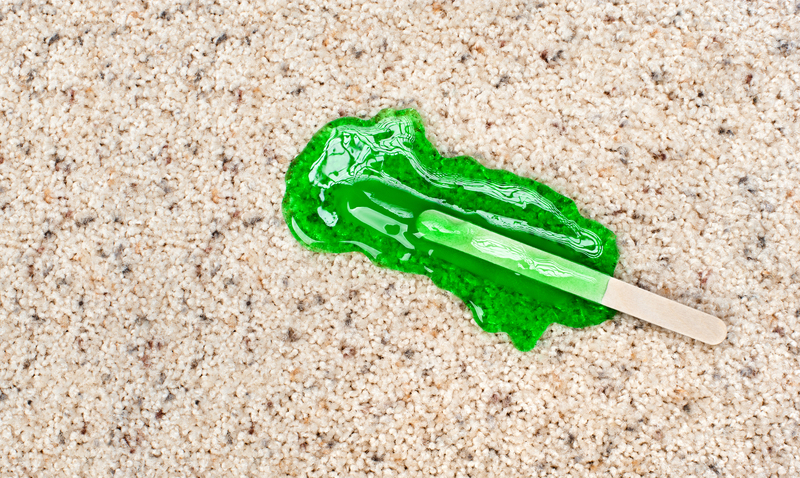
5. Removing Wax from Carpet
Cleaning wax from carpet can be a little tricky but manageable with these steps:
1. Harden the Wax: Use ice cubes to freeze the wax, making it easier to scrape off.
2. Scrape the Wax: Use a plastic scraper to remove as much wax as possible.
3. Heat the Residue:
Place a paper towel or brown paper bag over the remaining wax.
Use a warm iron to melt the wax, letting it transfer to the paper towel.
4. Vacuum: Vacuum the area to pick up any loose wax particles.
5. Clean the Carpet: Use a carpet cleaner or a mixture of mild detergent and warm water to clean the area. Blot with a clean cloth until the residue is gone.
Pros and Cons of Various Cleaning Methods
Pros:
Effective in removing stubborn wax stains.
Prevents further damage to the surface.
Easy to follow and requires readily available materials.
Cons:
Some methods might be time-consuming.
Risk of damaging sensitive surfaces if not done carefully.
Materials like paper towels and plastic scrapers may need to be replaced.
Tips for Effective Wax Cleanup
Always test a small inconspicuous area first before applying cleaners.
Work gently to avoid scratching or damaging the surface.
Be patient, as the process can take some time.
Use natural products like vinegar or rubbing alcohol to minimize chemical exposure.
Key Takeaways
Identify the surface type before cleaning.
Use ice to harden the wax, making it easier to remove.
A combination of scraping, heating, and cleaning can effectively deal with wax residue.
Be cautious and gentle to avoid causing any damage.
Conclusion
Cleaning up wax residue can be straightforward if you know the right methods. By identifying the type of surface and using the appropriate technique, you can remove wax stains effectively without causing damage. Remember to use gentle tools and natural cleaning agents whenever possible for effective removal.
For any stubborn wax residue, you may need to repeat the steps or use a more thorough cleaning method. With the right approach, your surfaces will look as good as new in no time!
Got stubborn wax residue? Use ice to harden it, scrape it gently, apply heat and clean with mild detergent. Your surfaces will thank you!
Latest Posts
Deep Cleaning: Kitchen Edition
Suede Sofa Cleaning: Home Remedies
Pet-Friendly Carpet Maintenance Guide